

How to Become an Automotive Electrician? (2026 Guide)
Last updated: August 2026
How long does it take to become an automotive electrician?
Roughly two to four years, and the path looks nothing like becoming a building electrician:
- Training: about 6 months to 2 years — a certificate or an associate degree
- Certification: the ASE A6 Electrical/Electronic Systems test, plus documented hands-on experience
- No license required — there is no state license for automotive electrical work in the U.S.
One thing worth knowing up front: “automotive electrician” is barely a distinct job in U.S. data. Only about 8,550 people are counted in the occupation. Most of this work is done by automotive service technicians who specialize in electrical diagnosis.
If you searched for how long it takes to become an automotive electrician, you probably expected an answer like the one for building electricians: a fixed apprenticeship, a set number of hours, a state exam. That structure does not exist here, and pretending otherwise would send you down the wrong path.
Here is what the job actually is in the United States, how the training and certification really work, how long each step takes, and how it compares with the licensed electrical trade — which is a genuinely different career, not a variation on the same one.
- What Is an Automotive Electrician?
- Automotive Electrician vs. Electrician: Not the Same Career
- How Long It Actually Takes
- The Training Path
- ASE Certification: What A6 Actually Covers
- What the Work Pays
- Where Automotive Electricians Actually Work
- Automotive Electrician vs. Electrician at a Glance
- Your Step-by-Step Checklist
- Frequently Asked Questions
- The Bottom Line

What Is an Automotive Electrician?
An automotive electrician diagnoses and repairs the electrical and electronic systems in vehicles: batteries, starting and charging systems, lighting, and the body electronics behind everything from power windows to driver displays.
The complication is that the title is not a formal U.S. job classification. It is standard usage in the UK and Australia; here, the work is folded into automotive service. The federal data makes the point bluntly:
- Electrical and electronics repairers, motor vehicles is a real federal occupation, and it employs about 8,550 people nationwide.
- Automotive service technicians and mechanics, the group that does most vehicle electrical work, employ about 704,640.
- So the dedicated occupation is around 1% the size of the general one. Electrical diagnosis is overwhelmingly a specialization within automotive service, not a separate job title you apply for.
That is why there is no licensing board, no apprenticeship hour requirement, and no exam mandated by law. What the industry uses instead is voluntary certification through ASE, whose A1 through A9 automobile test series includes A6 for electrical and electronic systems. If someone calls themselves an automotive electrician in the U.S., A6 is usually what backs it up.
Automotive Electrician vs. Electrician: Not the Same Career
These get searched together constantly, and the honest answer is that they overlap far less than the shared word suggests. You cannot drift from one into the other without essentially starting over.
- What you work on. A licensed electrician works on building wiring and permanent installations. An automotive electrician works on vehicles — self-contained, low-voltage systems that move.
- Credential. Electricians need a state or local license, earned through a multi-year apprenticeship and an exam. Automotive work needs no license at all — certification is voluntary.
- Training route. Electricians earn while they learn through a registered apprenticeship. Automotive technicians typically pay for a technical program first, then gain experience on the job.
- Scale and pay. Electricians number about 757,220 with a median near $63,190; motor-vehicle electrical repairers number about 8,550 with a median near $48,420.
Neither is the better career in the abstract — they suit different people. But if you are weighing them, weigh them as two separate decisions. Our guide to how to become an electrician covers the licensed-trade side in full, including why the projected growth for that trade is a factor worth considering.
How Long It Actually Takes
Two to four years, end to end, is a realistic expectation. The range is wide because two of the three components can run in parallel:
- Post-secondary training: about 6 months to 2 years. A certificate program is the short end; an associate degree in automotive technology is the long end.
- Work experience: the binding constraint. ASE requires documented hands-on experience in addition to passing the test — the amount depends on which test you are certifying in. Passing the exam without the experience earns you a score report, not a certification.
- The test itself: weeks, not years. Once you are eligible, A6 is a single test you prepare for and sit.
The reason the total compresses is that most people work as an entry-level technician while accumulating experience, so training and experience overlap rather than stacking end to end. The ASE Education Foundation formalizes this: students at an accredited program who pass eight Entry-Level certification tests and submit six months of full-time work can receive six months of credit toward the required year of work experience.

The Training Path
There is no single required route, but three work, and they are not mutually exclusive:
- An accredited technical program. The ASE Education Foundation accredits automotive programs at community colleges and technical schools, and publishes a school locator so you can confirm a program is accredited before you enroll. Accreditation is the thing to check — it is what connects the program to the certification path.
- Entry-Level certification while you study. ASE Entry-Level tests are designed for students and signal workforce readiness before you have professional certification.
- An apprenticeship or dealer program. Some employers and manufacturers run registered apprenticeships; the federal Apprenticeship Finder lists openings by trade and location. This route pays from day one, as the electrical trade does.
Whichever you choose, the sequence is the same: get trained, get hired, accumulate documented experience, then certify.
ASE Certification: What A6 Actually Covers
A6 — Electrical/Electronic Systems — is the certification that matters most for this specialization. ASE publishes the test composition, and it is worth reading before you study, because the weighting is not what most people assume. A6 has 50 scored questions:
- Body electrical systems diagnosis and repair — 17 questions (the largest single area)
- General electrical/electronic system diagnosis — 13 questions
- Battery and starting system diagnosis and repair — 9 questions
- Lighting systems diagnosis and repair — 6 questions
- Charging system diagnosis and repair — 5 questions
Body electronics carrying more weight than batteries, starting, charging, and lighting combined tells you where modern vehicles have become complicated. ASE’s own 2026 Automobile Study Guide sets out the full task list and sample questions, and it is free.
Going further, and staying current
A6 is one of nine tests in the A-series. Technicians who pass A1 through A8 earn Master Automobile Technician status. Certification is not permanent either — ASE runs a renewal process, including an app-based option that lets you keep credentials current without re-sitting the full test.

What the Work Pays
Federal wage data splits this work across two occupations, and the honest read is to look at both (all figures are national, May 2025):
- Electrical and electronics repairers, motor vehicles — median $48,420, mean $51,560. The top 10% clear about $70,170; the bottom 10% about $35,590. Employment: 8,550.
- Automotive service technicians and mechanics — median $50,620, mean $56,420, top 10% about $81,790. Employment: 704,640.
- Electricians, for comparison — median $63,190, top 10% above $108,510.
Two caveats worth stating plainly. First, there is no BLS wage series for “automotive electrician” — the figures above are the two occupations the work is actually counted under, not a measurement of that job title. Second, specialization pays above the median within a shop: strong electrical diagnosticians are valuable precisely because it is the work other technicians avoid. If you want the licensed-trade comparison in more depth, see our electrician salary guide.
Where Automotive Electricians Actually Work
Because this is a specialization rather than a job title, where you end up matters more than what you call yourself. The federal data breaks the occupation down by industry, and in practice the work clusters in four places:
- Dealerships. The most common landing spot, and the one most tied to manufacturer training. You work on one brand deeply, with access to factory diagnostic tools and technical bulletins.
- Independent repair shops. Broader variety, more brands, and usually more diagnostic work per job because independents get the problems dealerships could not solve cheaply.
- Fleets. Municipal vehicles, utilities, delivery companies, and rental operations run their own shops. Fleet roles tend to offer steadier hours and benefits than flat-rate shop work.
- Heavy truck and equipment. A separate corner of the trade with its own ASE test series, and one where electrical specialists are consistently scarce.
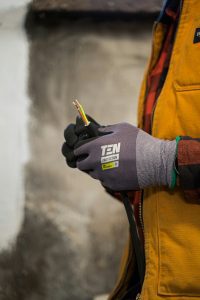
Two of these — fleets and heavy equipment — are worth a look precisely because fewer people target them. Electrical diagnosis is the part of vehicle work most technicians would rather hand to someone else, and being that someone is what turns this specialization into leverage.
Automotive Electrician vs. Electrician at a Glance
The two careers side by side, with the federal data each claim rests on:
| Automotive electrician | Licensed electrician | |
|---|---|---|
| License required | No — none exists in the U.S. | Yes — state or local |
| Main credential | ASE A6 certification (voluntary) | Journeyman license (mandatory) |
| Training route | Accredited technical program, then experience | Paid apprenticeship, ~8,000 hours |
| Time to qualify | About 2–4 years | About 4–5 years |
| You pay, or you earn | Usually tuition first | Earn from day one |
| Median pay | $48,420 – $50,620 | $63,190 |
| People employed | 8,550 – 704,640 | 757,220 |
Your Step-by-Step Checklist
- Confirm this is the career you mean. If you want to work on buildings rather than vehicles, you want the licensed electrical trade instead — a different training path entirely.
- Finish high school or earn a GED, and take any electronics or math courses on offer.
- Pick an accredited program. Check it against the ASE Education Foundation school locator before you pay tuition.
- Take Entry-Level certification tests while you study — they signal readiness before you qualify for professional certification.
- Get hired as an entry-level technician, so your experience clock starts running alongside your training.
- Document your work experience from day one. ASE requires it, and the certificate is withheld until it is verified.
- Study for A6 using ASE’s own material — the official study guide is free and lists the exact task areas.
- Pass A6 and claim the certification once your experience is approved.
- Consider the full A-series. A1 through A8 earn you Master Automobile Technician status.
- Keep it current through ASE’s renewal process.
Frequently Asked Questions
Short answers to what comes up most. For anything about the certification itself, ASE is the authority worth checking directly.
The Bottom Line
Two to four years is the realistic answer, and the shape of those years is what matters: a technical program, a job that lets your experience accumulate, and ASE A6 at the end of it. No licensing board sets that pace, which makes it faster and more flexible than the electrical trade — and also means nobody hands you a schedule.
The one thing to be clear-eyed about is the size of the field. This is a specialization inside automotive service, not a standalone trade, and your career will be built on being the person in the shop who is genuinely good at electrical diagnosis. That is a real and durable advantage. It is just not the same job as being an electrician. Godspeed!
Sources & method: Wage and employment figures are U.S. Bureau of Labor Statistics Occupational Employment and Wage Statistics, May 2025, for three occupations: 49-2096 (electrical and electronics repairers, motor vehicles), 49-3023 (automotive service technicians and mechanics), and 47-2111 (electricians). BLS publishes no occupation called “automotive electrician,” so the figures here are the occupations this work is actually counted under — not a measurement of that job title, and the two differ. Test composition for A6 is taken from ASE’s own 2026 Automobile Study Guide. Certification, experience, and renewal requirements link directly to ASE; program accreditation to the ASE Education Foundation. Timeline ranges are typical values, not a rule — no authority sets a required duration for this work.
This article is provided for informational and educational purposes only. It is not legal, licensing, or career advice, and Electrician Authority is not a licensing authority, school, or employer. Certification requirements, fees, and wage data change — always confirm current requirements directly with ASE or your training provider before making decisions.


Get the Free Monthly Briefing
Licensing news, study tips, and the gear worth knowing about — plus a free Apprentice Logbook when you join. One useful email a month, no spam.
Join Free →