
What Tools Does an Electrician Apprentice Really Need?
Last updated: September 2026
What tools does an apprentice electrician need?
On day one, prioritize the essentials: a non-contact voltage tester, a quality multimeter (Fluke or Klein), lineman’s, side-cutting, needle-nose, and tongue-and-groove pliers, wire strippers, a utility knife, an 11-in-1 screwdriver, a tape measure, a torpedo level, a headlamp, and a sturdy tool belt to carry it all. Buy reliable mid-range tools first and upgrade over time — and never skimp on safety and testing gear.
From multimeters to insulated pliers — start your apprenticeship with the right gear and stay safe, efficient, and prepared!
As an apprentice electrician, you’ll need to secure a wide variety of tools for yourself to perform your job. Showing up to your first day with a tool belt and/or a tool box full of reliable tools shows you are serious about your career.
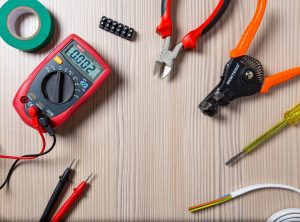
There are differing opinions about buying the highest-quality (i.e., expensive) tools versus adequate ones that will do the job. On the one hand, the best brands will last you your entire career (usually), but you will be extremely put out if you accidentally leave that uber-pricey set of pliers behind on a job site that you can’t return to. Read reviews, seek advice, and make the best decision for you.
These tools are the extensions of your hands. You need these to rough-in, trim-out, troubleshoot, and stay alive. Let’s get started.
Safety & Testing
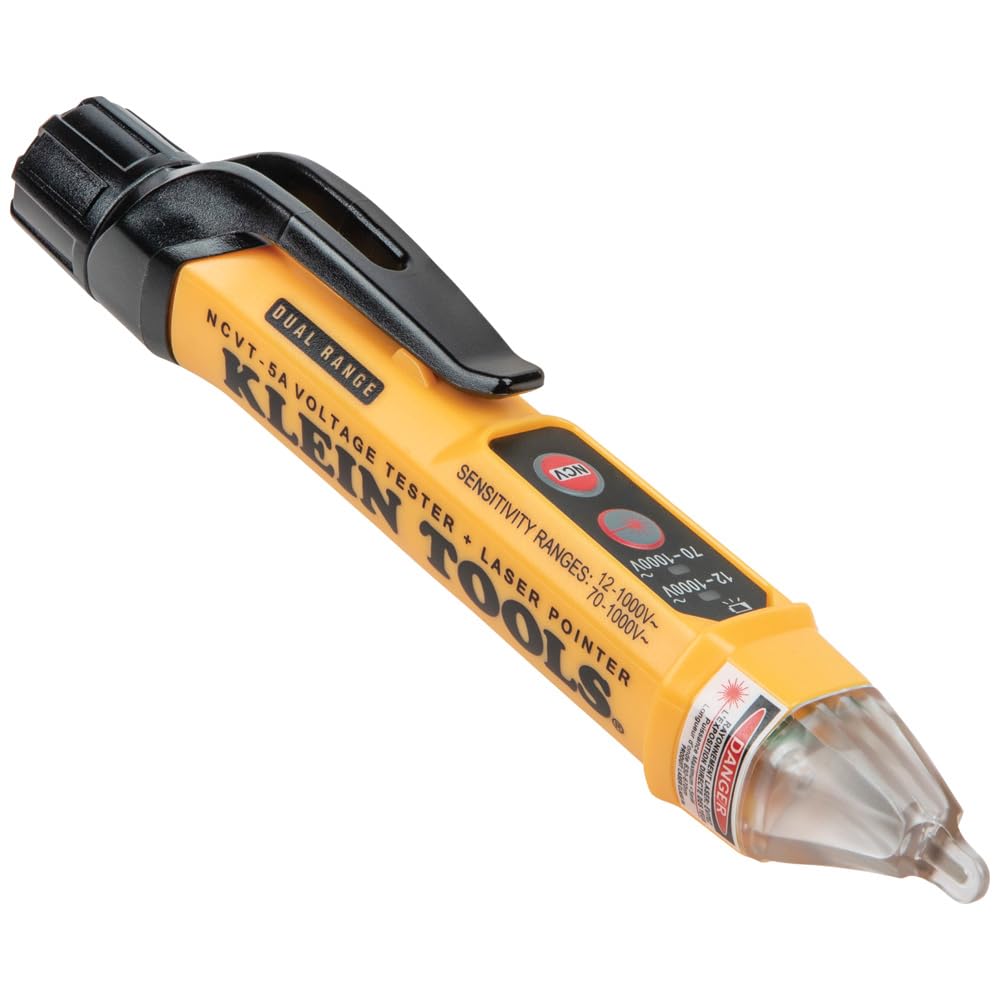
Non-Contact Voltage Tester (The “Tick”)
This is the first tool you pull out. It saves your life. Never trust a breaker label.
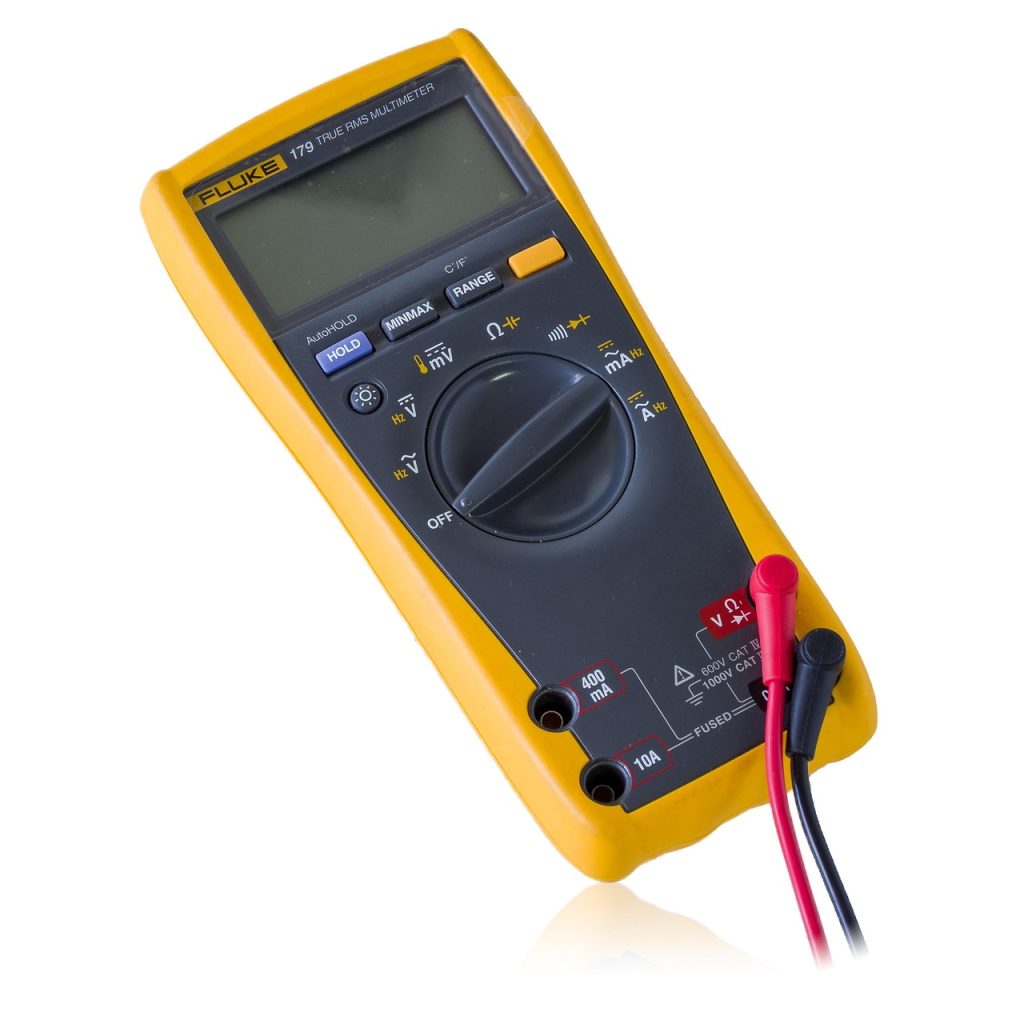
Digital Multimeter (True RMS)
You need to measure voltage, resistance, and continuity accurately.
Don’t buy a $20 toy; get a Fluke or a Klein.
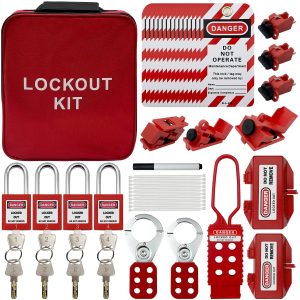
Lockout/Tagout Kit
While only essential for industrial/commercial work, if you are working on a panel, ensure no one energizes it while your hands are inside.
The Pliers (The Holy Trinity)
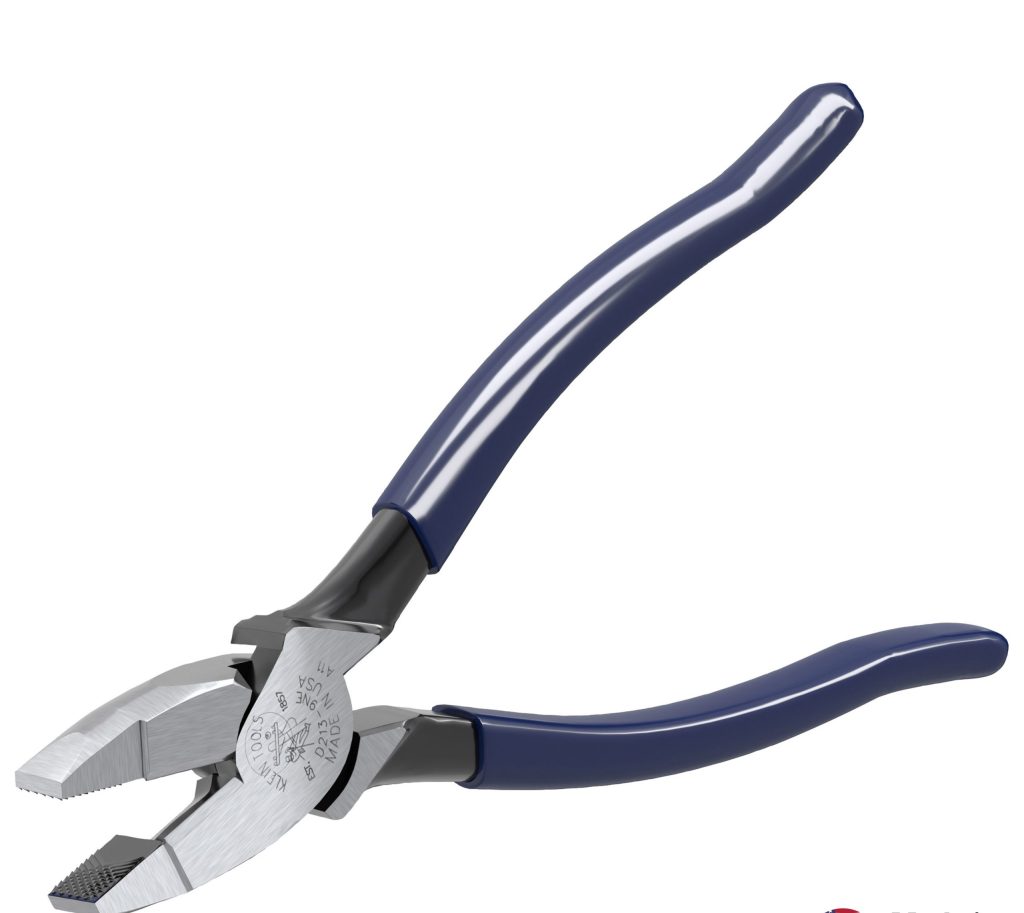
Lineman’s Pliers (9-inch)
A lot of Journeymen just call these “Kleins,” and it’s the most versatile tool you own. It cuts, twists, pulls, and let’s be honest—it’s also your primary hammer.
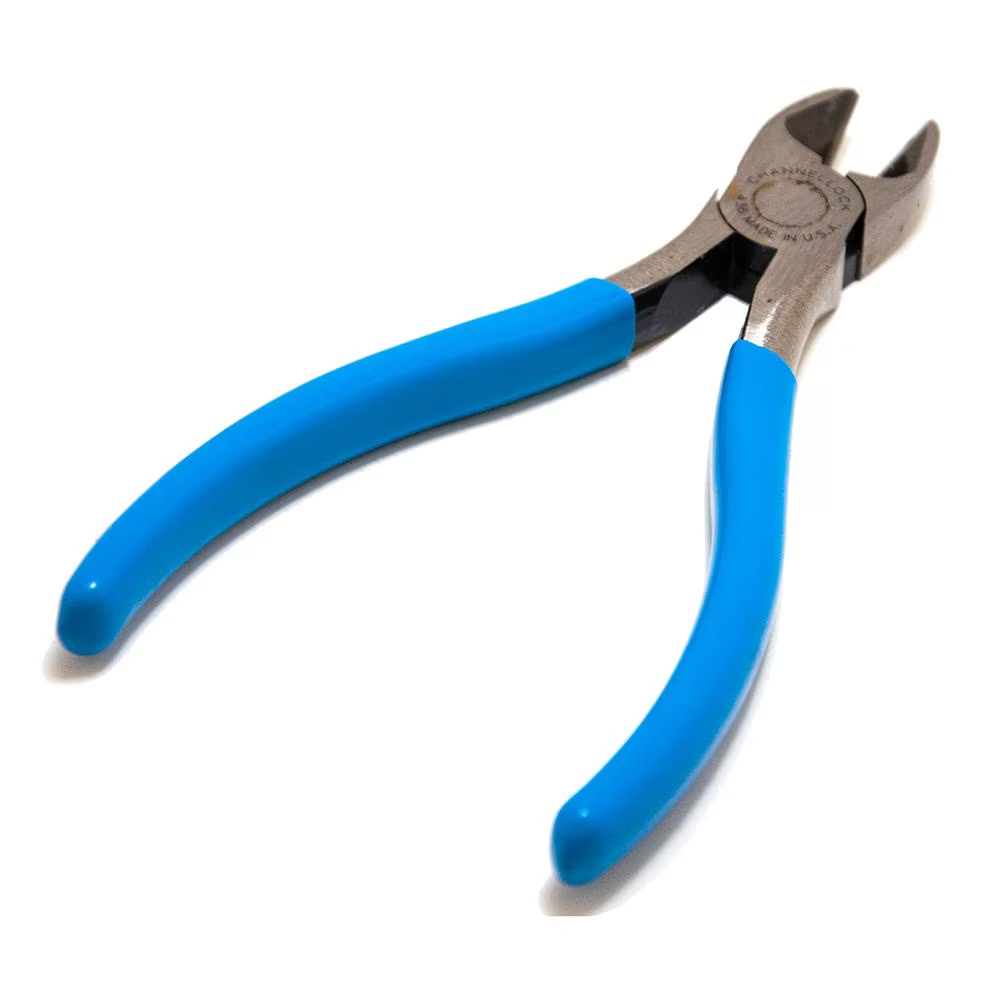
Side Cutting Pliers (“Dikes”)
For cutting wire in tight boxes and trimming cable ties.
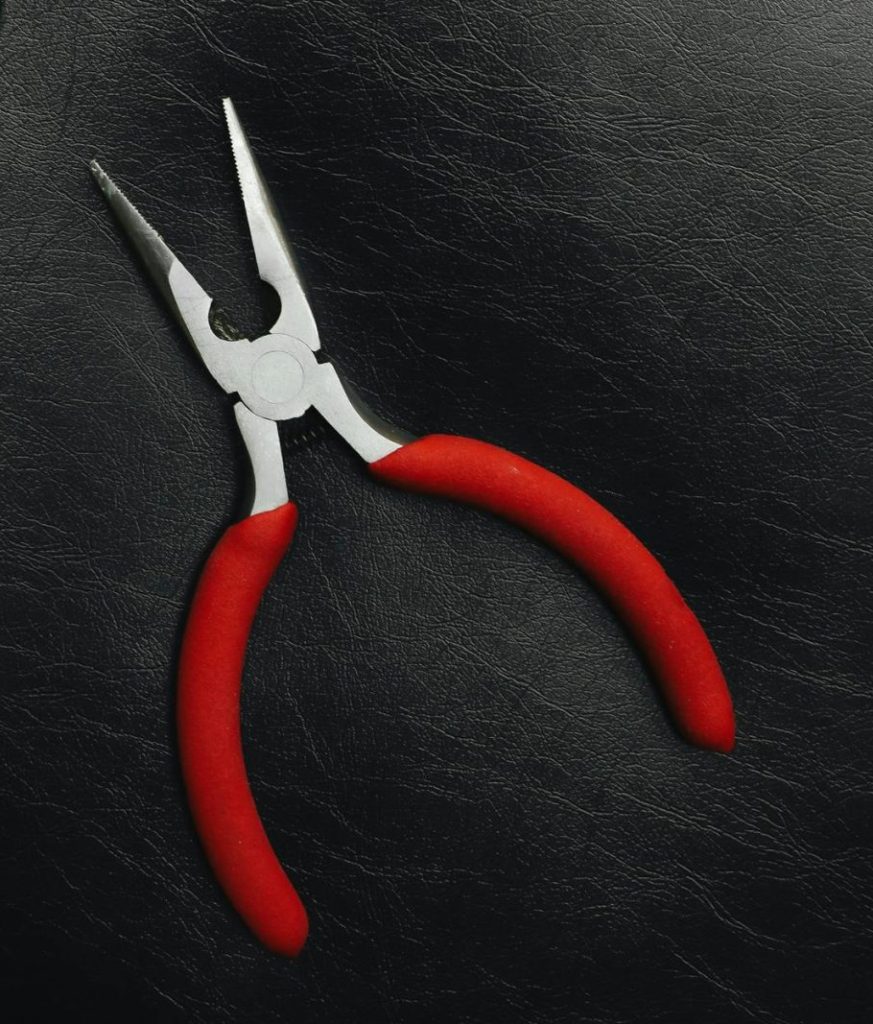
Needle Nose Pliers
For looping wire around termination screws and reaching into tight panels.
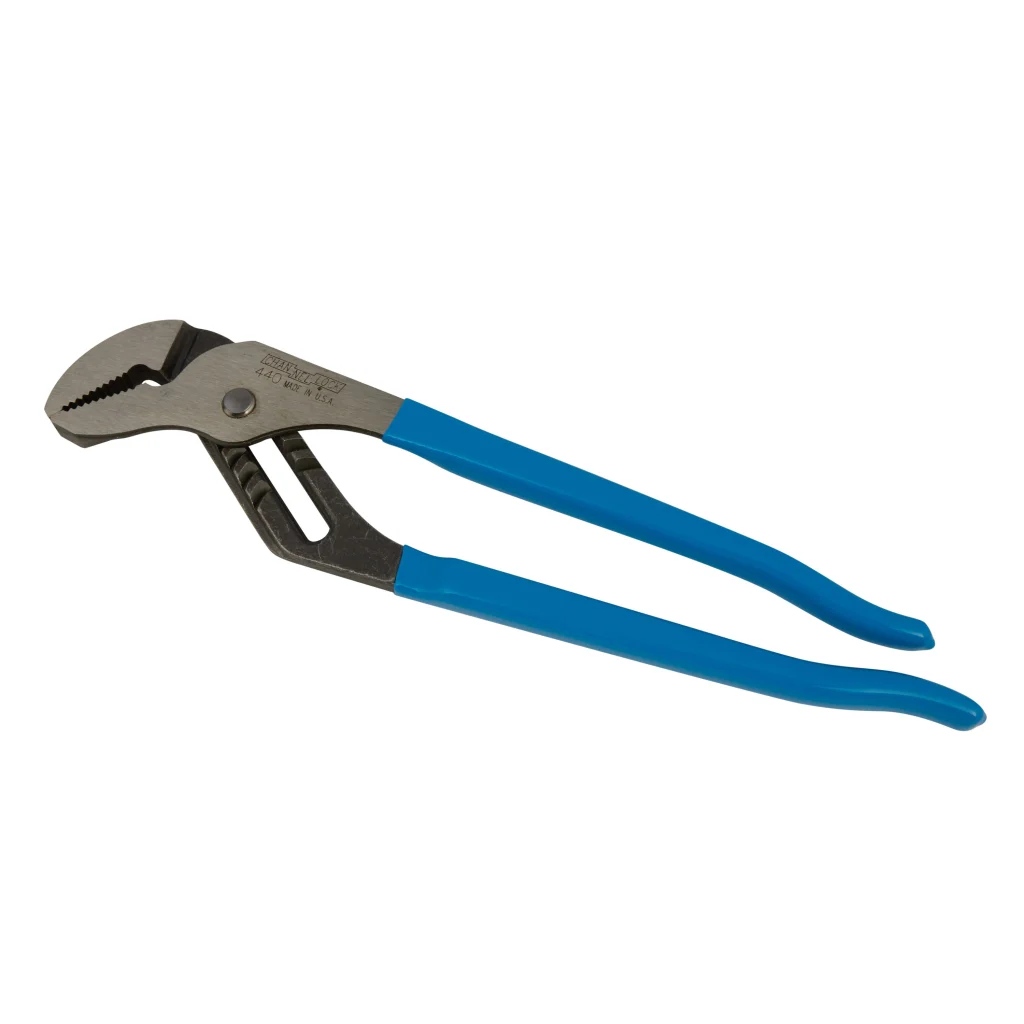
Tongue and Groove Pliers
(“Channellocks”)
You need two pairs (420s and 430s) to tighten couplings and connectors against each other.
Cutting & Stripping
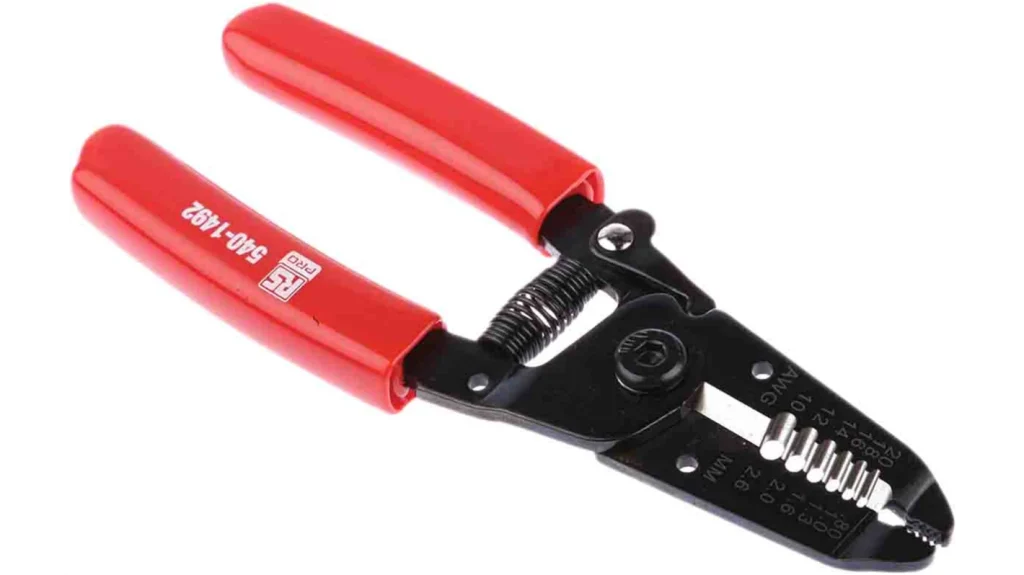
Wire Strippers
Get a pair that handles 10-18 AWG solid and stranded.
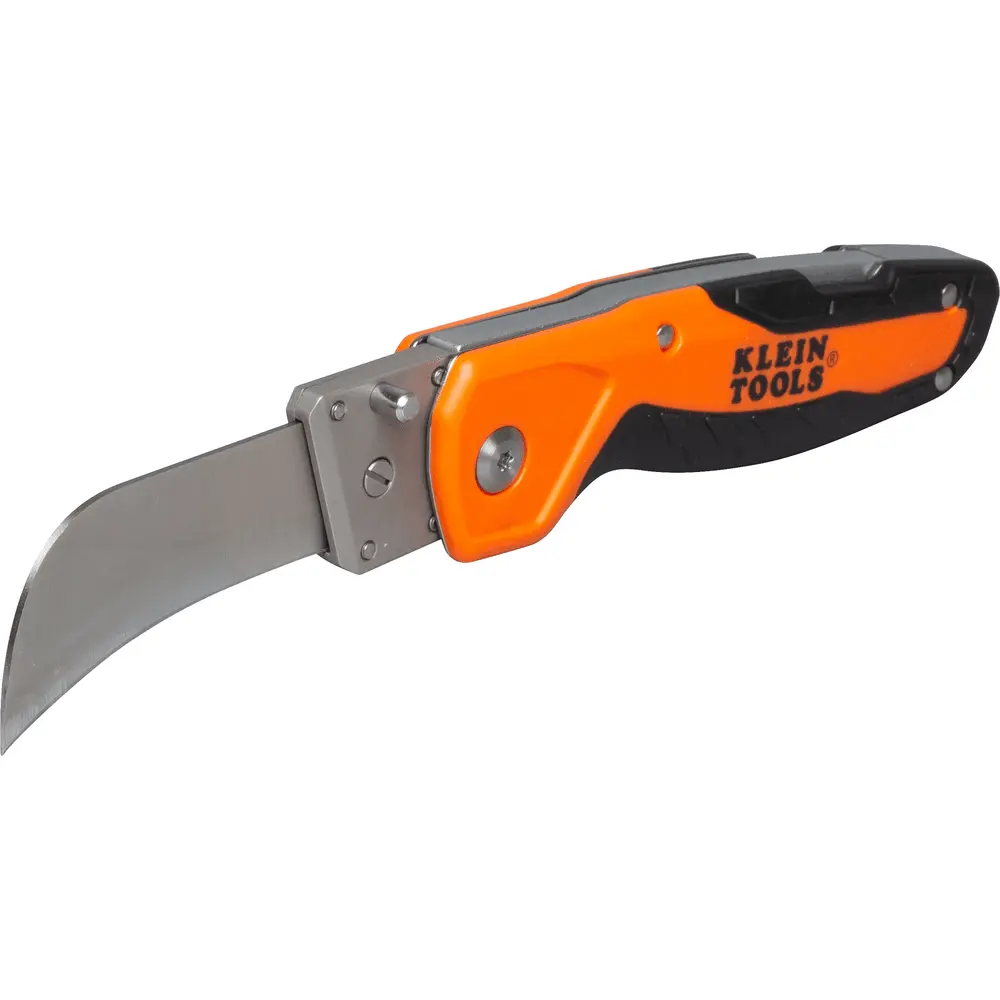
Cable Skinning Knife
(Hawkbill or straight)
For stripping large cable jacketing.
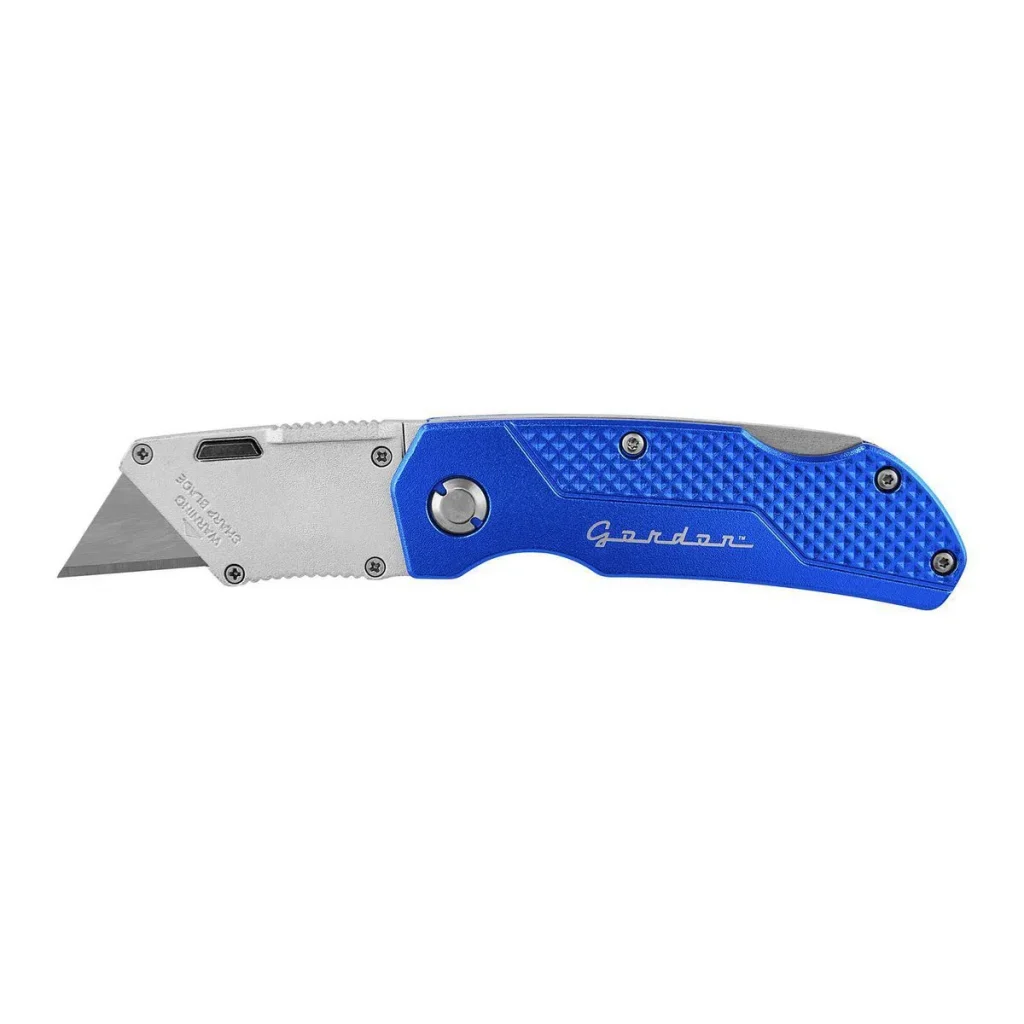
Utility Knife
Standard retractable razor for opening boxes and general cutting.
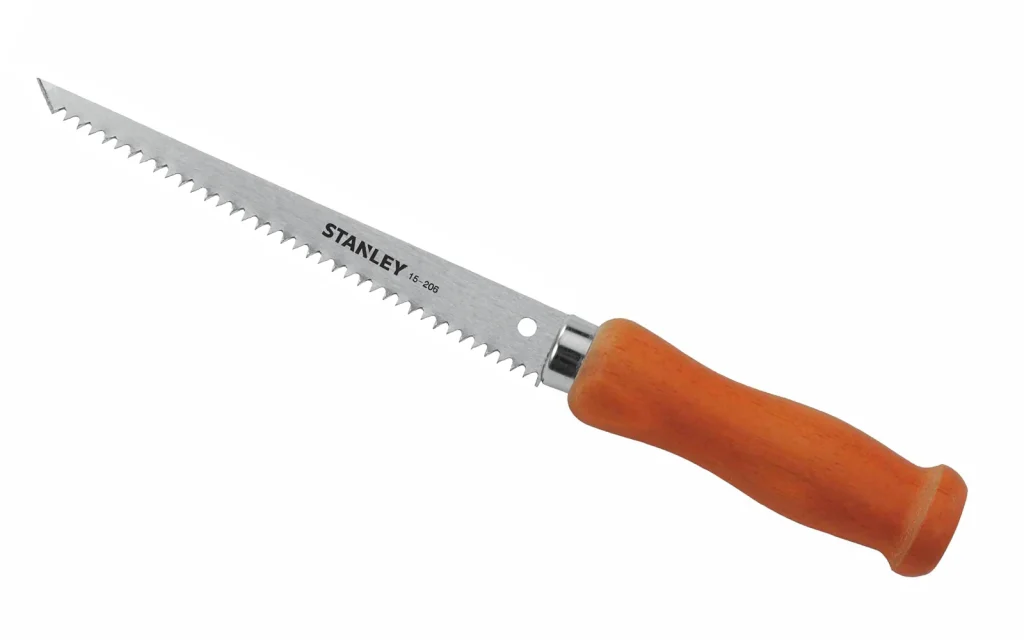
Drywall Saw (“Jab Saw”)
You will be cutting a lot of holes in drywall for old-work boxes.
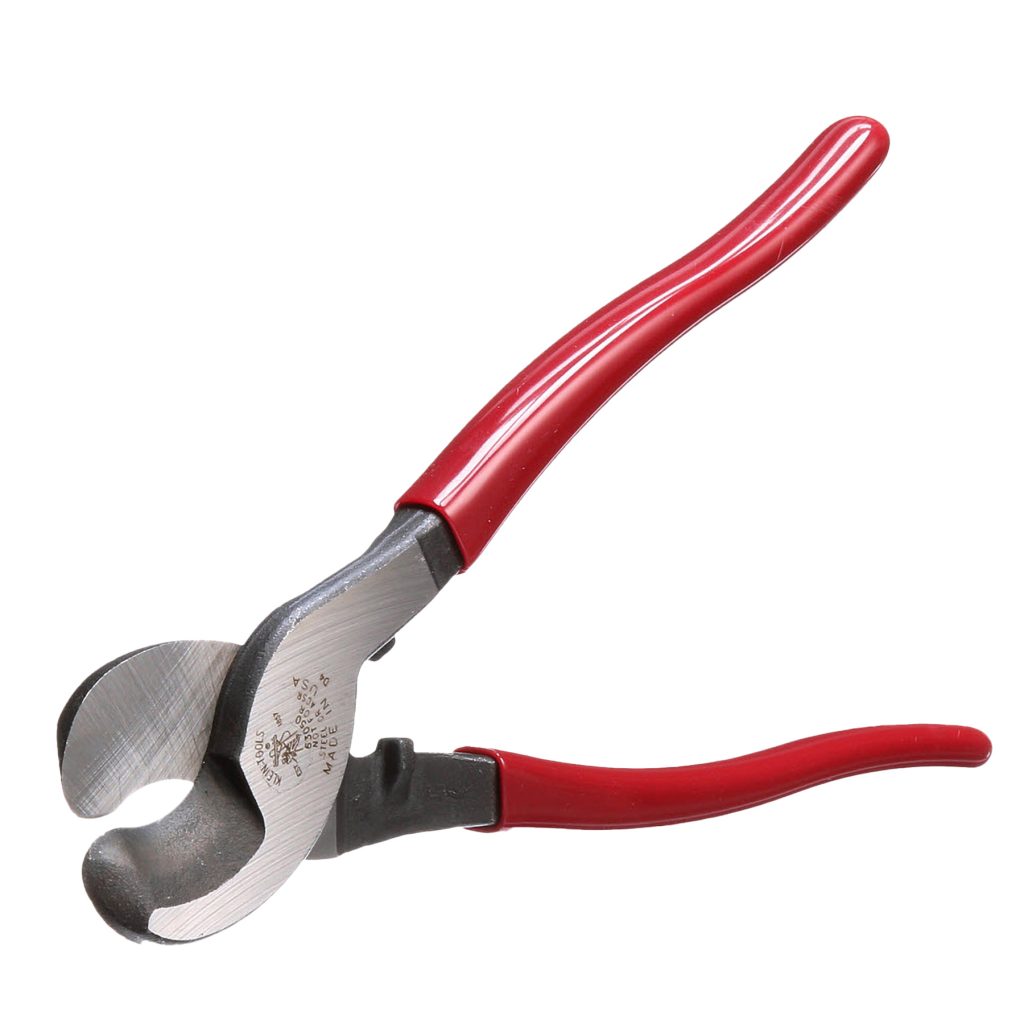
Cable Cutters (“Duck Bills”)
These are your go-to for larger wires and cables, and the Lineman’s just won’t cut it – literally.
Screwdriving
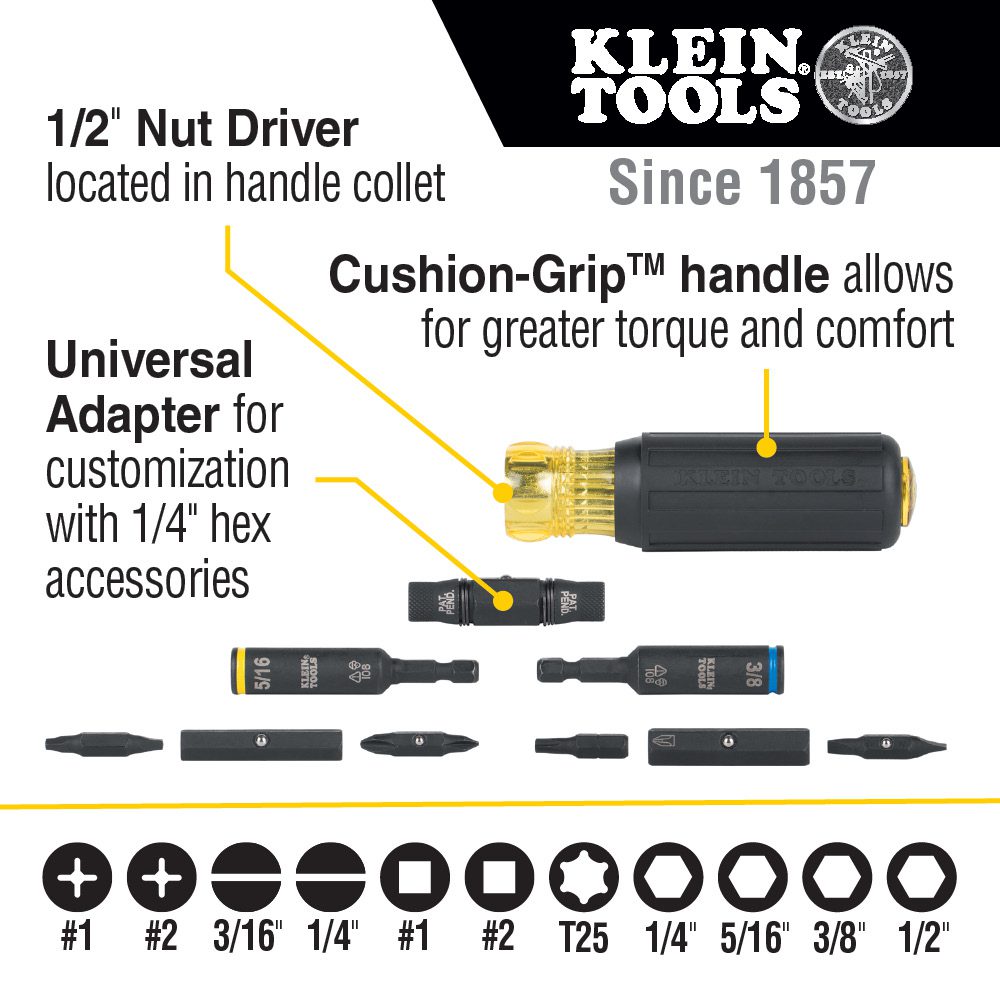
11-in-1 Multi-Bit Screwdriver
This saves weight. It has your Phillips, Flat, Square (Robertson), and nut drivers all in one.
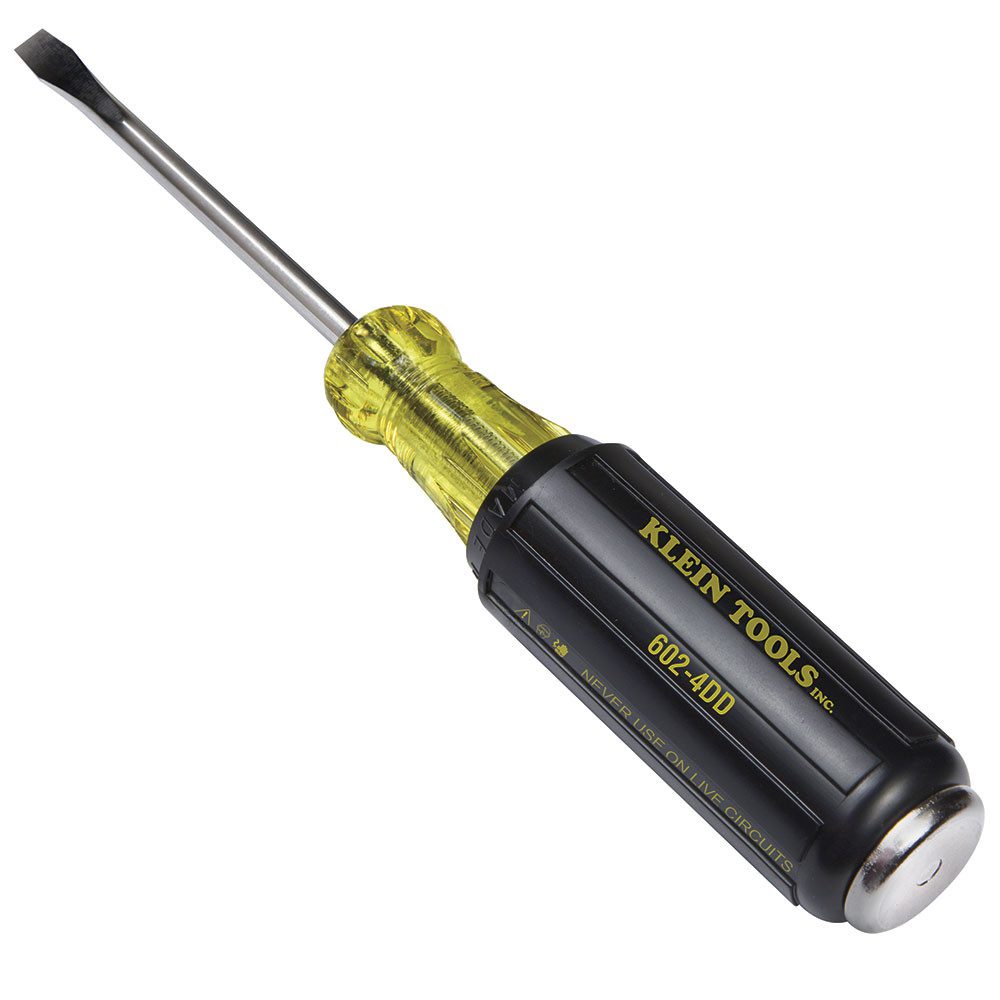
Flathead “Beater” Screwdriver
A large flathead with a metal cap on the back. You use this for prying and chiseling, never for electrical terminations.
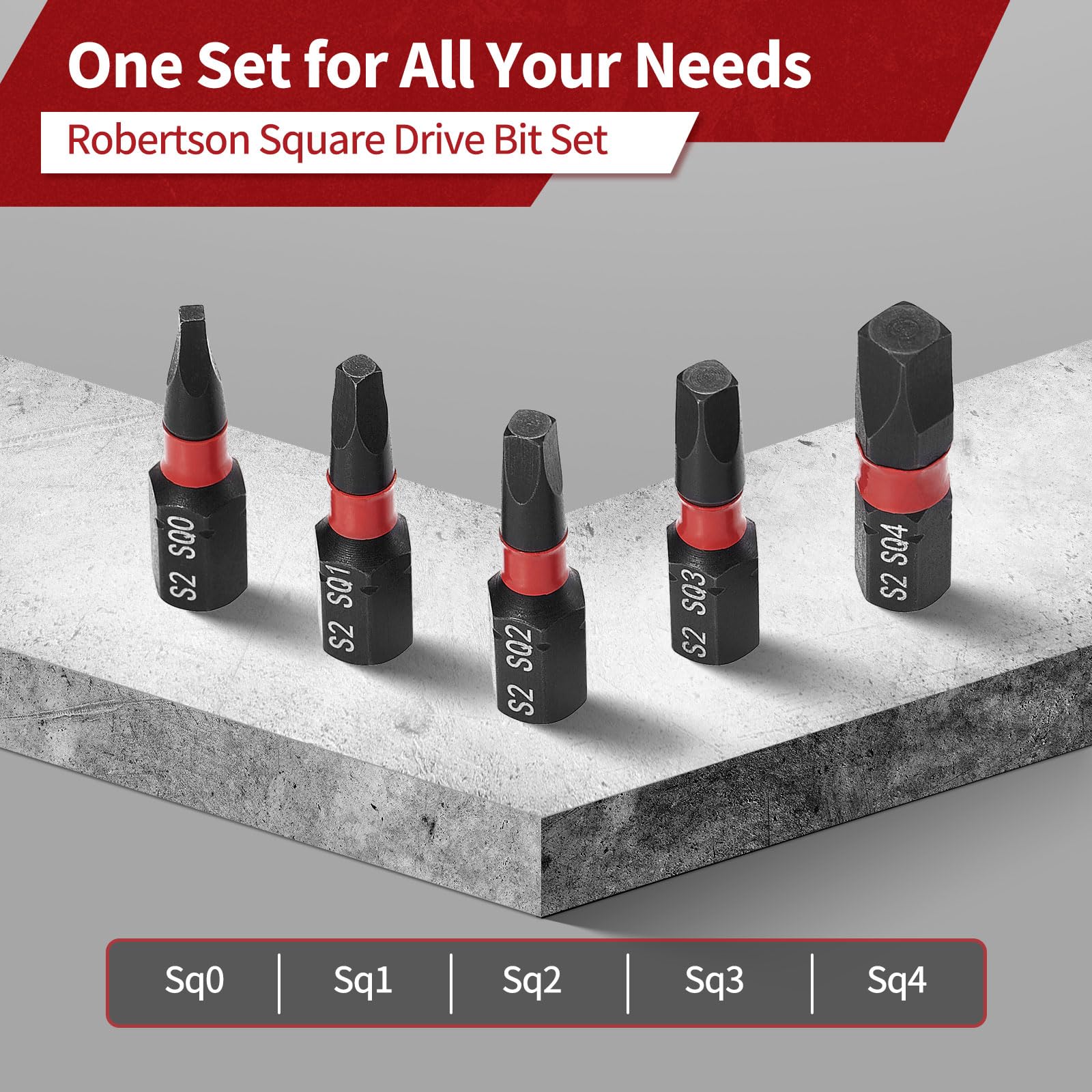
Square Drive Set
(Robertson #1 & #2)
Essential for panel work and device screws to prevent stripping.
Layout & Measurement
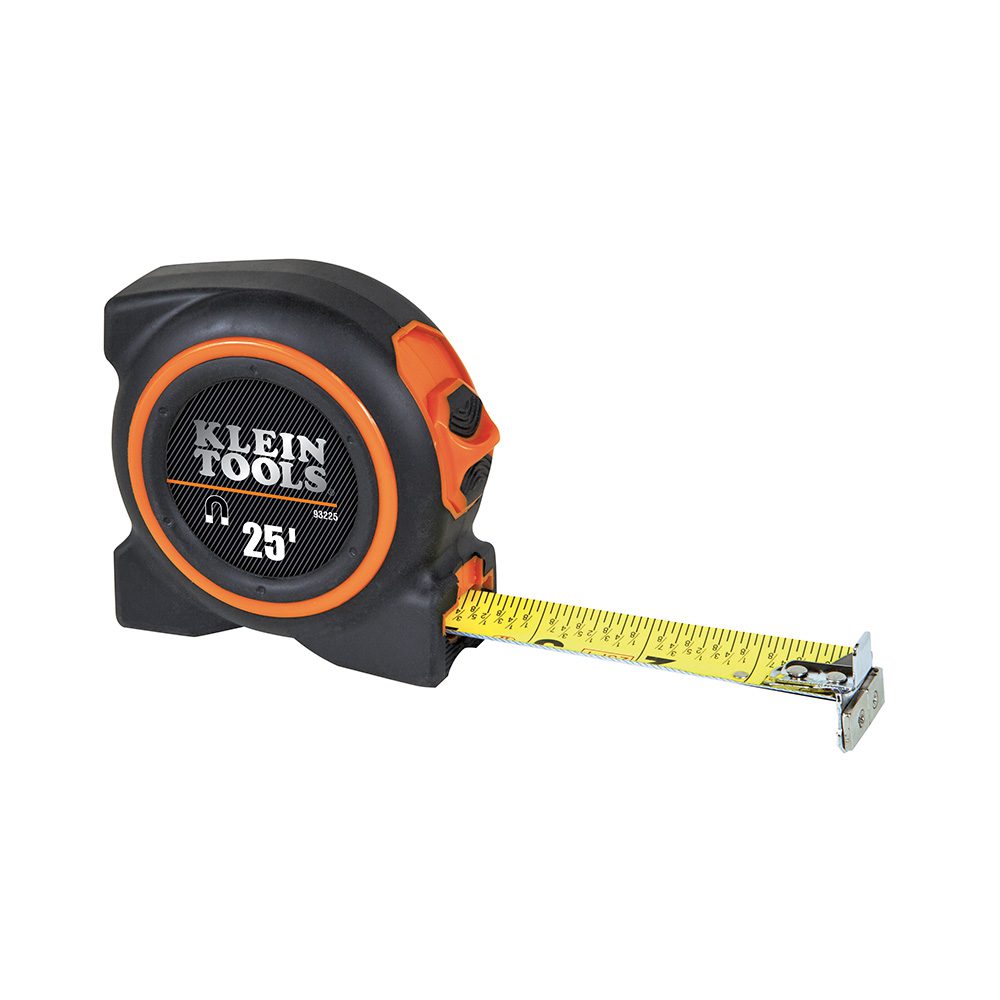
25-foot Magnetic Tape Measure
The magnet helps you measure conduit runs alone by sticking to the strut or beam. It’s also handy as a retriever magnet.
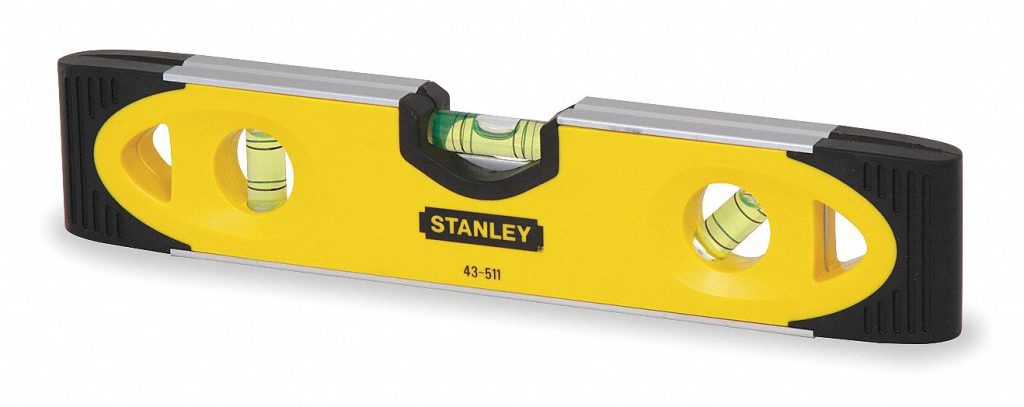
Torpedo Level
A magnetic, lighted level is best. If your pipe isn’t level and plumb, your work looks like garbage.
Miscellaneous Essentials
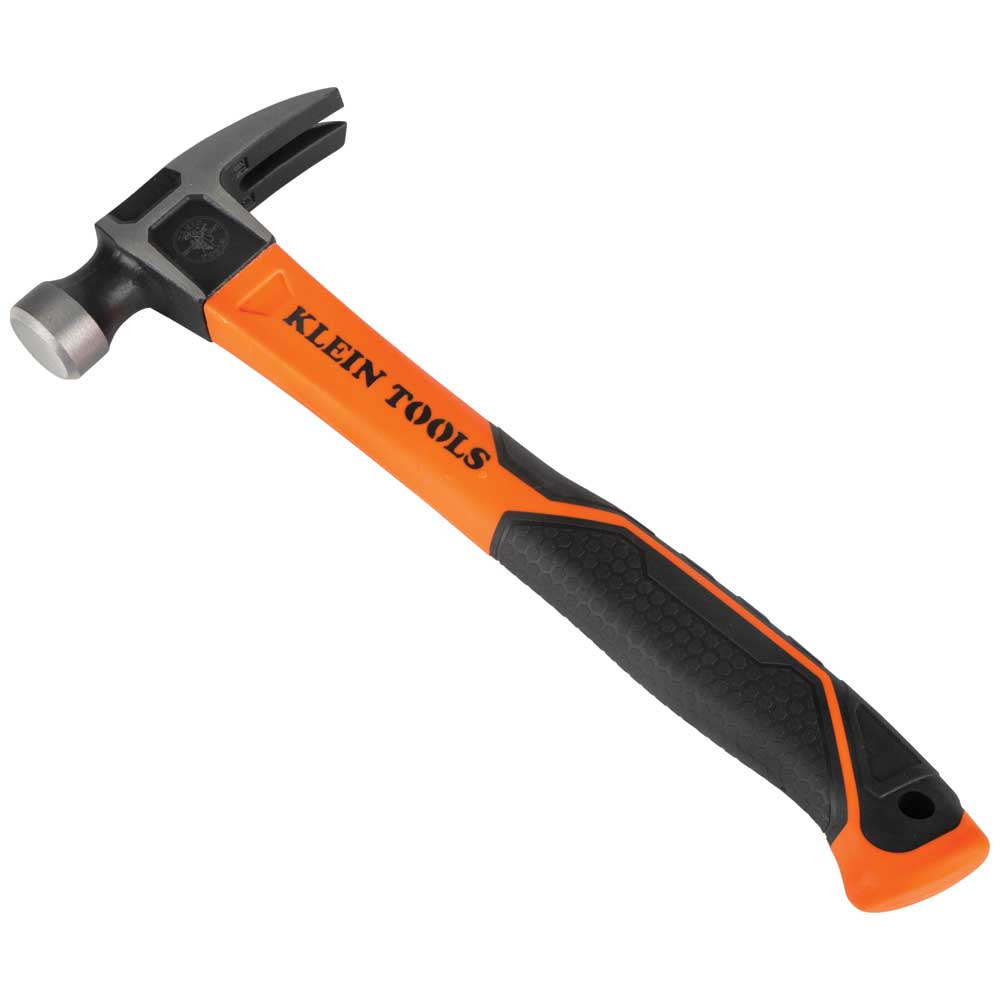
Hammer
For driving staples and nails (when the Lineman’s aren’t heavy enough).
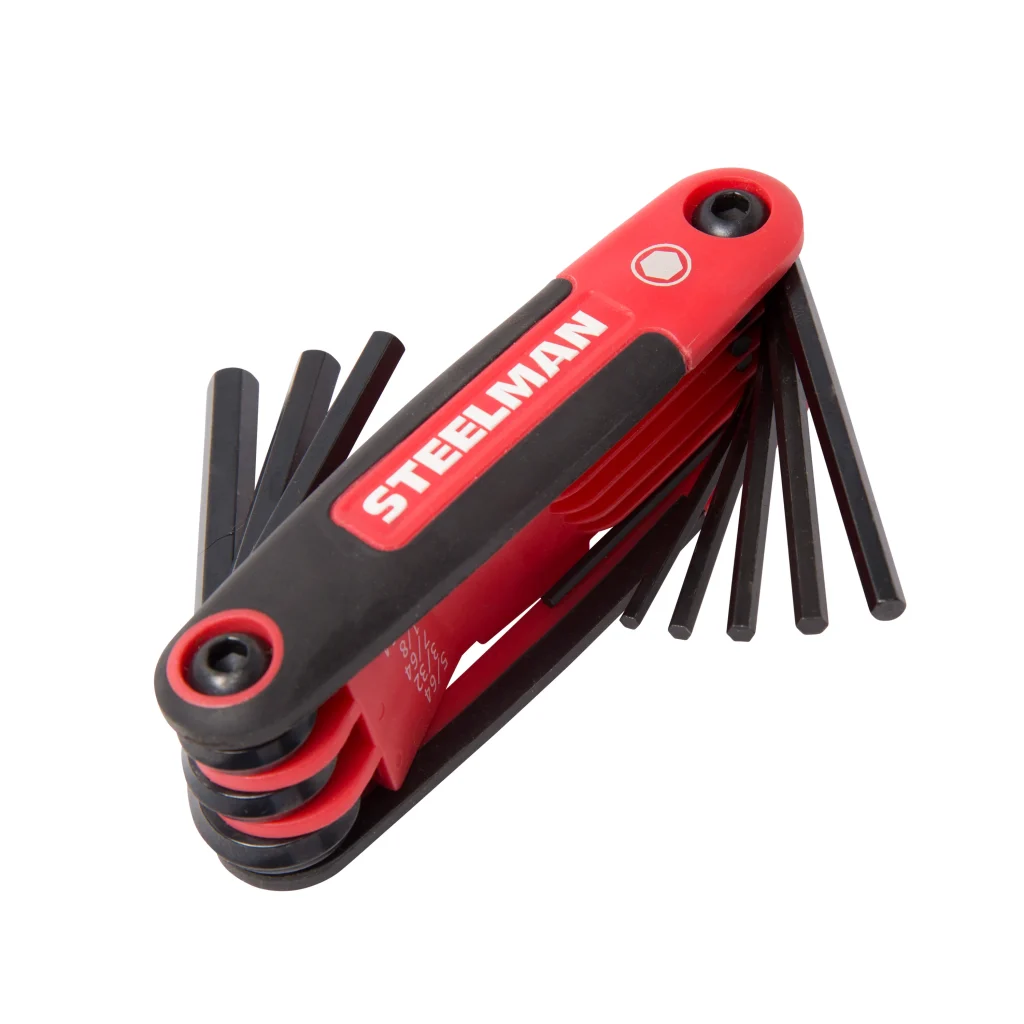
Hex Key Set (Allen Wrenches)
For lugs in panels. This is an absolute must.
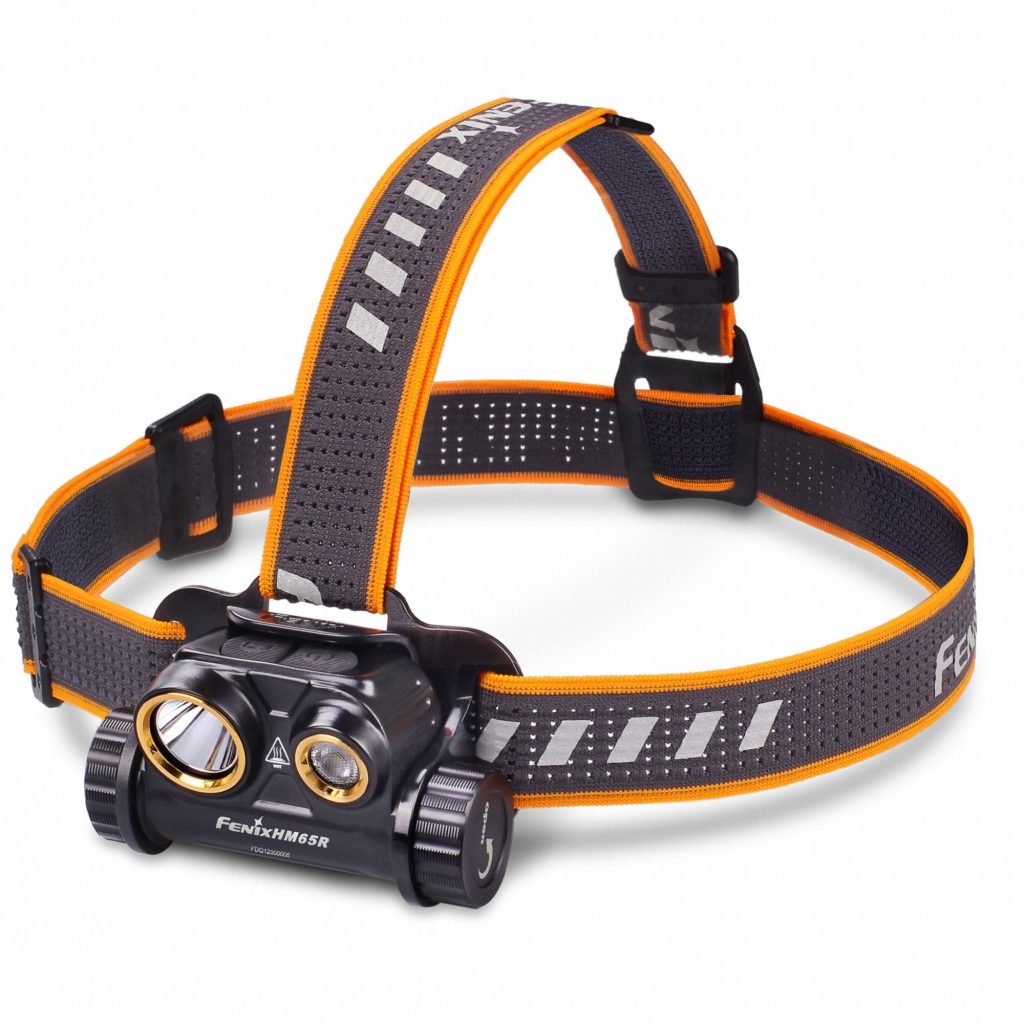
Headlamp
You will spend half your life in attics, crawlspaces, or electrical closets with no power. Hands-free light is mandatory.
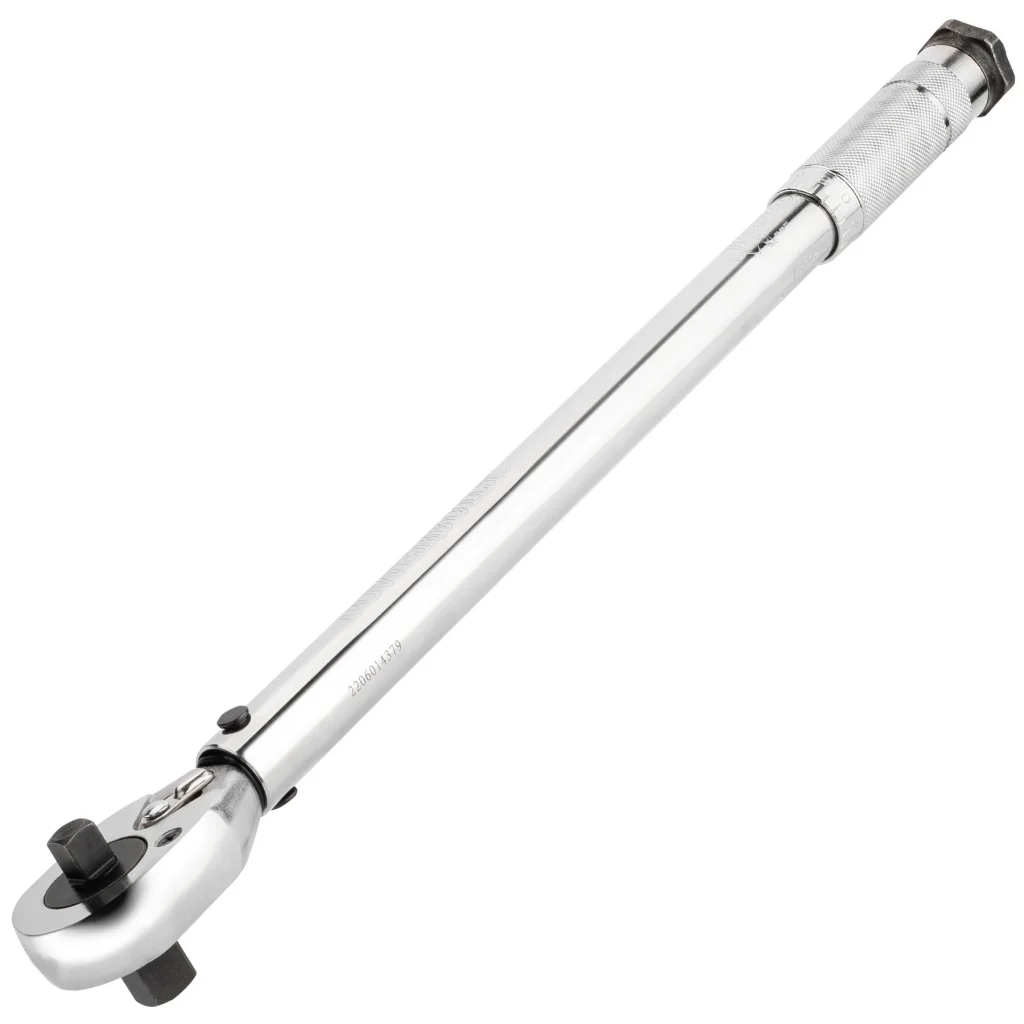
Torque Wrench
This tool ensures that you don’t over- or under-tighten terminal connections. Many inspectors will want to see service and feeder terminals torqued to spec requirements before they will give you a “pass,” and it’s standard practice.
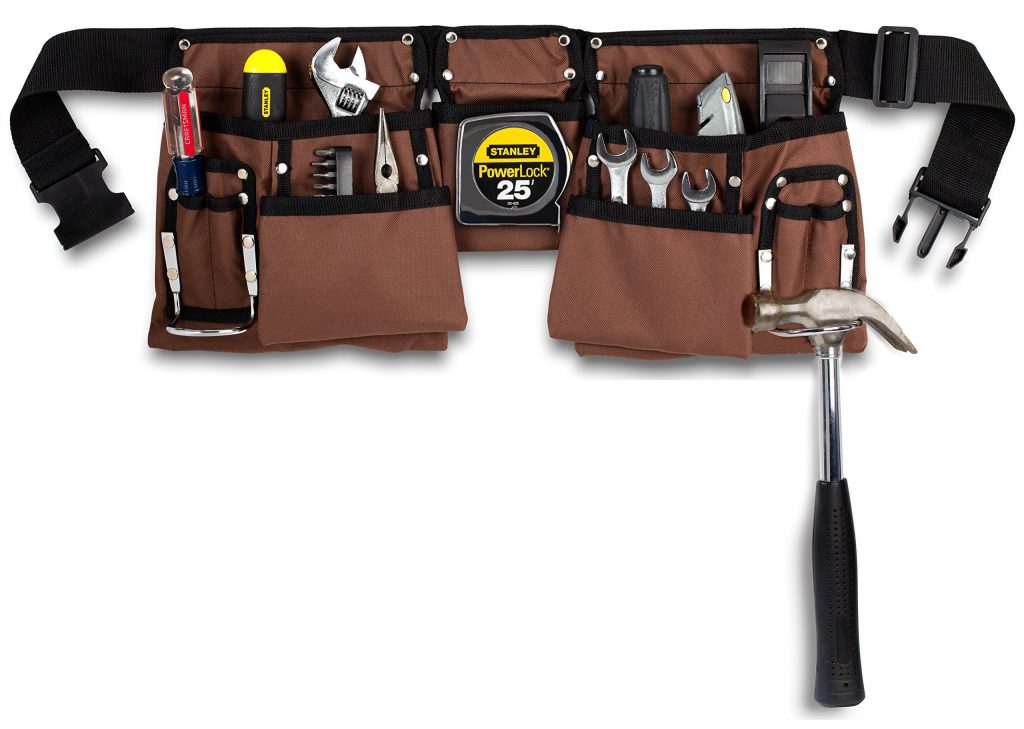
Tool Belt
Where else are you going to keep all those tools? Your pockets?
Two questions this list does not answer. First, who actually pays for an apprentice’s tools — employers must supply some safety equipment under OSHA’s construction standard, and several union agreements go further. Second, if you are about to start, what a first-year apprentice actually needs on day one is a much shorter list than the full kit above, and it comes with a printable checklist.
Keep your hours where you can prove them.
The tools are half of starting an apprenticeship; the record of your hours is the other half, and it is the half a licensing board asks to see years later. Our Apprentice Logbook is a 55-page paperback with a row for every workday — hours, type of work, permit number, and the name and license number of the electrician who supervised you — plus a supervisor sign-off at the end of each month and employer affidavit pages at the back. The same logbook is available as a free printable PDF when you join the newsletter.
Frequently Asked Questions
Final Thoughts
With a selection of tools like these, you’re off to a fantastic start as an apprentice electrician! And if this seems a bit financially daunting, discuss it with your supervisor or the organization overseeing your apprenticeship; they might be able to help. Also, they make for great birthday and Christmas gift suggestions! Godspeed!
Building your kit on a budget? Tools add up fast — before you buy, check our current electrician tool deals for live sales on hand tools, meters, PPE, and code books.
(I use affiliate links, so any purchases you make from the links on this page may provide income for me.)


Get the Free Monthly Briefing
Licensing news, study tips, and the gear worth knowing about — plus a free Apprentice Logbook when you join. One useful email a month, no spam.
Join Free →